
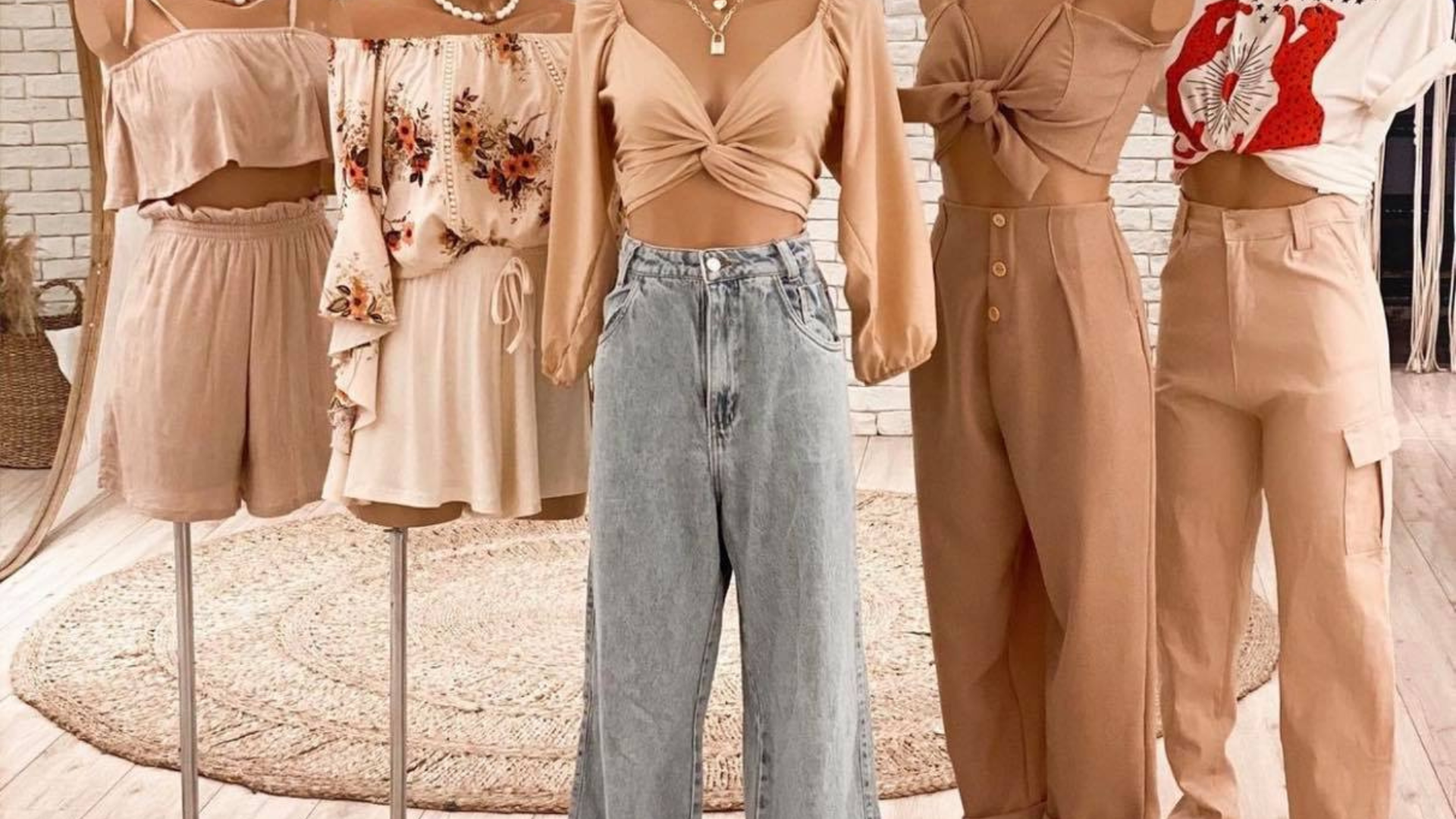
The clothes one wears often convey subtle messages about their personality, lifestyle, and values. Fashion choices can reveal cultural backgrounds, personal interests, and even social status. Individuals might not be consciously aware of this communication, yet clothing plays a significant role in self-expression.
People may use colors, styles, and accessories to project confidence or creativity. For instance, someone dressed in bright, bold patterns may be seen as adventurous, while another in muted tones might be viewed as more reserved. Understanding these perceptions can help individuals make more intentional choices about their wardrobe.
Moreover, the context in which clothing is worn can further enhance its meaning. Attire suited for a formal event communicates respect and professionalism, while casual wear may convey a relaxed or approachable demeanor. Each outfit choice contributes to the narrative of who they are and how they want to be perceived.
The Psychology Behind Clothing Choices
Clothing choices are influenced by psychological factors that shape identity and self-perception. Understanding concepts like enclothed cognition and the role of self-expression reveals how attire impacts emotions and social interactions.
Enclothed Cognition and Its Influence
Enclothed cognition refers to the psychological phenomenon where clothing affects the wearer’s mental state and behavior. Research shows that individuals internalize the meanings associated with their clothing. For example, wearing a lab coat may increase attention and carefulness due to the associations with professionalism and intelligence.
The implications are significant. When people choose outfits for specific contexts, they often select attire that aligns with their desired mindset. A suit may enhance confidence in a business meeting, while casual wear may induce relaxation in social settings. This interplay between clothing and cognition highlights the importance of mindful clothing choices.
The Role of Self-Expression
Clothing serves as a powerful tool for self-expression, allowing individuals to convey personality, beliefs, and social affiliations. Specific styles, colors, and patterns can signify cultural identity, mood, or personal values. For instance, someone wearing vibrant colors may wish to express creativity and joy, while monochromatic choices might reflect a desire for simplicity or sophistication.
Furthermore, the act of selecting clothing can enhance individual agency. People often feel empowered when dressing in a way that reflects their true selves. This connection between personal identity and clothing choice can foster a sense of belonging within various social groups. Overall, clothing becomes a canvas for individuals to communicate their unique narratives to the world.
How Clothes Shape Perception
Clothing choices significantly influence how individuals are perceived by others. The way one dresses can project confidence and communicate various social signals, impacting first impressions in various environments.
Projecting Confidence Through Attire
Individuals often select clothing that instills confidence. For instance, power suits or tailored outfits can enhance a sense of authority. When a person feels good in their attire, this self-assuredness tends to radiate.
Dressing appropriately for the occasion also plays a role. For example, wearing formal attire at a business meeting can signify professionalism and competence. Bright colors may inspire energy and enthusiasm, while darker tones may convey seriousness and stability. Ultimately, the right clothing choices can lead to a notable boost in confidence, influencing interactions positively.
First Impressions and Social Signals
Clothing is a key factor in forming first impressions. Studies reveal that it takes mere seconds to judge a person based on their attire. For example, someone who dresses casually may be perceived as laid-back, while one in business attire might be viewed as driven and organized. Different styles can also signal social status or group affiliation. Athleisure may indicate a casual, active lifestyle, while chic, fashionable clothing can suggest trends and social awareness.
Understanding these signals helps individuals navigate social settings more effectively. By aligning their clothing with the image they wish to project, they can influence how they are perceived in various contexts.
Using Fashion to Shape Personal Identity
Fashion serves as a medium for self-expression and the assertion of control over one’s identity. The choices individuals make about their clothing reflect their personalities and how they wish to be perceived by others.
Control and the Power of Choice
Clothing choices provide individuals with a sense of control over their appearance. This control can influence how they feel about themselves and how they present themselves to the world. By selecting specific outfits, individuals communicate their mood, aspirations, and values. Bold colors may convey confidence, while neutral tones may suggest a more subdued nature.
The act of choosing what to wear each day empowers individuals, allowing them to navigate different social contexts while expressing personal identity. This choice reinforces autonomy and influences how others perceive them.
Evolving Wardrobe, Evolving Self
As people grow and evolve, their wardrobes often reflect significant changes in identity. Fashion can serve as a timeline, marking milestones or shifts in personal values. For example, someone starting a new job may adopt a more professional style. Conversely, an individual embracing a creative career may opt for eclectic and expressive clothing.
This evolving wardrobe illustrates how people adapt their self-image. Fashion choices can align with life stages, such as college life, motherhood, or retirement, reinforcing their evolving sense of self. Thus, clothing can vividly map personal journeys, showcasing both growth and the complexities of identity.
Cultural and Contextual Considerations in Clothing
Clothing choices reflect not only personal style but also the influences of social environments and cultural norms. Understanding these factors can provide deeper insight into how attire communicates identity and values.
To see how traditional dress communicates history and social meaning, a Chinese costume can provide a clear example: the flowing lines, layered robes and accessory details of Hanfu reflect ceremony, rank, and regional styles across dynasties. Contemporary makers reinterpret these elements for everyday wear while preserving construction techniques and symbolic motifs.
Another example can be found in Japanese kimono, where the fabric patterns, sleeve length, and obi style are deeply tied to seasons, social occasions, and even marital status. Just as with Hanfu, modern designers adapt kimono elements into contemporary fashion while maintaining their symbolic resonance, offering a living link between heritage and present-day expression.
Clothing in Different Social Environments
Social environments significantly shape clothing choices. In professional settings, attire often leans towards formal or business casual. Well-tailored suits and conservative dresses communicate professionalism and seriousness.
In contrast, casual social gatherings allow for more relaxed outfits. T-shirts, jeans, and sneakers often signify comfort and approachability. Events like weddings or parties may dictate specific dress codes, influencing attire choices to match the formality of the occasion. Furthermore, the environment, like a beach or a mountain resort, will also dictate appropriate clothing. Choosing functional yet stylish attire reflects an awareness of the setting.
Cultural Influences on Dress Codes
Cultural norms play a critical role in defining acceptable clothing. Traditional garments, such as kimonos in Japan or saris in India, express cultural heritage and identity. These items often carry significant meaning and are worn during ceremonies or festivals. Additionally, different cultures may have varying interpretations of what is considered modest or appropriate. For instance, Western fashion trends might prioritize individual expression, while other cultures emphasize conformity.
Globalization has further complicated clothing choices. As styles mix and blend, individuals navigate between traditional attire and contemporary fashion. This dynamic interplay influences her or his choices, reflecting both personal and cultural identities. In summary, clothing is not merely functional; it serves as a powerful medium for expressing culture in various contexts.


