
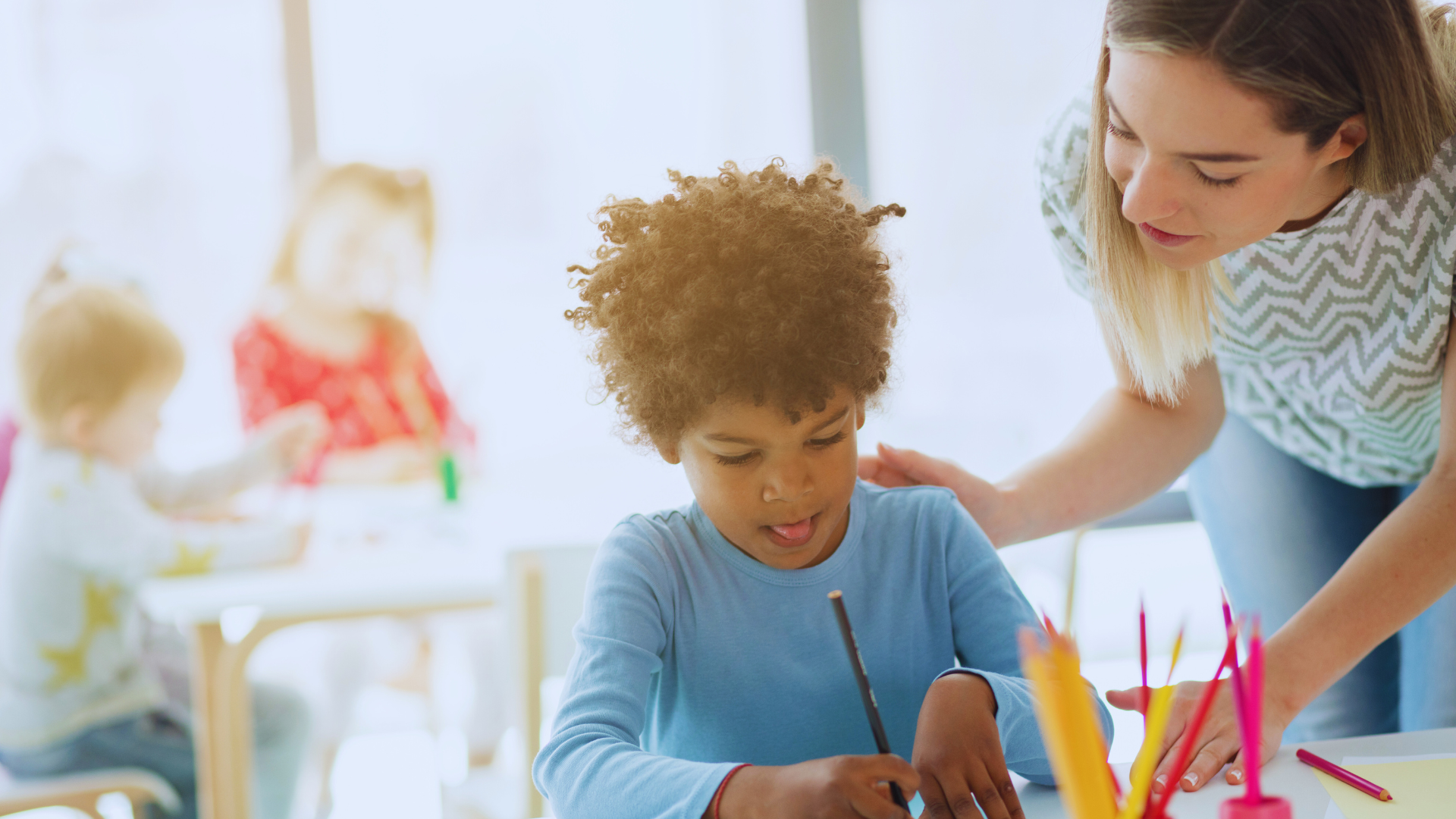
Giving children space is essential for their development. Providing autonomy allows kids to build confidence, develop critical thinking skills, and learn how to navigate the world independently. When parents create a supportive environment that encourages exploration, children are more likely to develop resilience and creativity.
As children grow, they need opportunities to engage in activities that foster personal growth. Space enables them to form their own identities, make decisions, and learn from their experiences without constant parental oversight. The balance between guidance and independence is crucial for shaping responsible and capable individuals.
Parents may feel the instinct to monitor their children closely, but stepping back can be beneficial. Encouraging moments of solitude or encouraging them to play with peers develop social skills and emotional intelligence. Ultimately, giving kids space is not just about physical distance; it’s about nurturing their independence and helping them thrive.
The Importance of Personal Space for Kids
Granting children personal space is crucial for their development. It promotes independence, encourages respect for others, and helps manage emotions effectively. Each aspect contributes to their overall well-being and social skills.
Fostering Independence
Personal space allows children to explore and engage with their environment on their terms. When given the freedom to choose their activities and manage their interactions, they learn to make decisions independently.
This autonomy fosters confidence and encourages the development of problem-solving skills. Children who respect their boundaries are more likely to assert themselves and become resilient adults.
Building Respect and Compassion
Understanding the concept of personal space teaches children the importance of boundaries. When they learn to respect their own space, they are more likely to respect the space of others.
This understanding builds empathy and compassion. They become aware of others’ feelings and comfort levels, which enhances social interactions and relationships. Respecting personal space is a foundational skill that promotes harmonious interactions.
Managing Irritability and Fatigue
Personal space is essential for emotional regulation. When children face overstimulation, they may become irritable and fatigued. Having a designated area for quiet time helps them recharge.
This practice allows for self-reflection and emotional processing. Children learn to recognize their own needs and develop coping strategies to manage their emotions effectively. It contributes to their mental health by reducing stress and promoting balance in their lives.
How Parents Can Support Healthy Boundaries
Supporting healthy boundaries is crucial for a child’s growth and development. Parents play an essential role in recognizing needs, establishing limits, and finding a balance between supervision and independence.
Recognizing Signs Your Child Needs Space
Children communicate their need for space in various ways. They may become less communicative, seek solitude, or express frustration with constant proximity. Parents should observe changes in behavior, such as irritability or increased conflict with siblings.
Recognizing these signs can help parents understand when a child requires more independence. It is vital to initiate conversations without judgment, allowing children to express their feelings about personal space.
Setting Appropriate Boundaries
Establishing clear, appropriate boundaries helps children understand limits. Parents should discuss what is acceptable behavior and where personal space begins. One effective method is to create family agreements outlining individual space and privacy, such as designated quiet times or personal areas. These agreements foster a sense of safety and mutual respect.
Enforcement of these boundaries should be consistent, ensuring children understand the importance of respecting each other’s space. This clarity helps to prevent confusion and promotes healthy relationships within the family.
Balancing Supervision and Freedom
Finding the right balance between supervision and freedom is essential for healthy development. Parents should assess their child’s age, maturity, and the social context when determining how much freedom to grant.
Offering opportunities for independent play or socializing with friends can promote self-confidence. Parents should encourage children to explore their interests while remaining available for support. Regular check-ins can help parents stay informed about their child’s experiences without intruding. This approach reassures children that their parents care while providing the space they need.
Practical Ways to Give Your Kids Space at Home and Beyond
Providing children with space is important for their independence and emotional development. There are effective ways to create environments that encourage self-sufficiency and personal growth.
Creating Separate Sleeping Areas
Designing individual sleeping spaces helps children develop a sense of autonomy. A separate bed promotes ownership of their sleep environment. This can involve creating themed rooms or even making bedtime routines special with personalized elements.
For younger children, consider options like a toddler bed or a separate area in the parents’ room if they are still in diapers. Adjustments can include using a tent or a cozy nook for older kids to retreat to during the night. Fostering independence starts with a comfortable, inviting sleep space that encourages restful nights. It can also help tired children feel more secure as they transition to sleeping alone.
Encouraging Outdoor Activities
Outdoor activities are an excellent way to give kids space. Encouraging independent play in parks or backyards allows them to explore and engage with their surroundings. Items like bicycles, scooters, or outdoor games can motivate kids to venture out. This fosters their creativity and decision-making skills in an open environment.
Parents can also facilitate group playdates, letting kids interact while parents take a step back. This opportunity promotes social skills and supports their ability to navigate friendships independently. Of course, making the outdoor space safe matters just as much to encourage outdoor activities. Checking the yard for uneven surfaces, securing fencing, and addressing any pest issues like wasp nests or bee removal Phoenix Arizona (or from a firm elsewhere), can ensure that kids can play freely without unnecessary risks
Quiet Time and Bedtime Routines
Establishing quiet time during the day gives kids a chance to unwind. This time encourages them to engage in solitary activities like reading, drawing, or simply relaxing, which is crucial for self-reflection.
Bedtime routines should also promote a sense of safety and independence. This can include calming activities such as reading a story or meditative practices. Introduce slight variations in the routine as they grow, helping them learn self-soothing techniques. Over time, this empowers them to manage their emotions and become more comfortable with solitude.


