
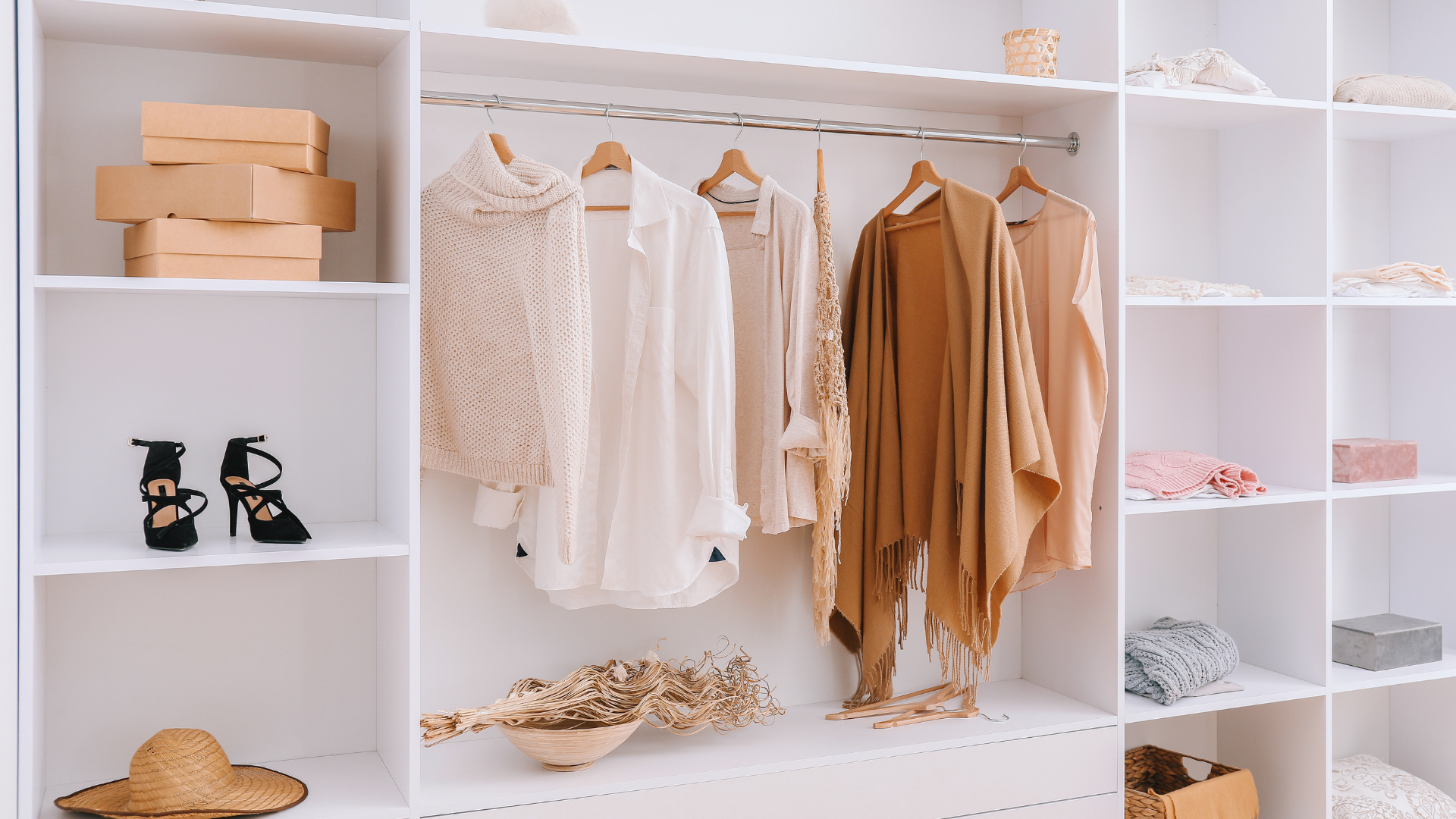
Simplifying a wardrobe can feel daunting, but it is entirely possible to maintain style while embracing minimalism. Many individuals discover that curating a selection of versatile pieces not only reduces decision fatigue but also enhances their personal style. The key is to focus on quality over quantity, ensuring that each item reflects the wearer’s aesthetic and is easy to mix and match.
An effective approach involves evaluating current clothing choices, identifying favorites, and eliminating those that no longer serve a purpose or fit well. By selecting staple items that work in various outfits, they can effortlessly build a cohesive look that requires less effort while still being fashionable. Simple changes, such as choosing a limited color palette or investing in classic silhouettes, make a significant difference.
Creating a simplified wardrobe allows for greater creativity and efficiency in getting dressed each day. By embracing a more intentional approach to clothing, individuals can enjoy a stylish and functional wardrobe that aligns with their lifestyle and values.
Core Principles of Simplifying Your Wardrobe
Simplifying a wardrobe involves intentional choices that reflect personal style while maximizing versatility and utility. Key aspects include defining individual style, recognizing the advantages of a streamlined closet, and addressing misconceptions about wardrobe simplification.
Defining Your Personal Style
Identifying personal style begins with self-reflection. Individuals should consider their lifestyle, preferences, and the message they want to convey. Creating a mood board can help visualize this style.
A focused approach includes narrowing down colors, patterns, and cuts that resonate most. For example, someone might favor a minimalist palette of neutrals combined with accessories for pops of color.
Creating a list of favorite outfits can also aid in identifying key pieces. This foundational step ensures any selected items align with the personal aesthetic, promoting consistent style choices.
Benefits of a Streamlined Closet
A streamlined closet offers numerous advantages. First, it significantly reduces decision fatigue, allowing individuals to select outfits more efficiently. When every piece is a favorite, choices become more straightforward.
Secondly, a simplified wardrobe promotes a sense of clarity and organization. Maintaining fewer items makes it easier to keep the closet tidy and find clothing quickly.
Lastly, it encourages financial mindfulness. By focusing on high-quality, versatile pieces rather than trendy items, individuals save money in the long run. Investing in a few durable garments can yield a stylish and enduring wardrobe.
Common Myths About Wardrobe Simplification
Many misconceptions exist around simplifying wardrobes. A prevalent myth is that a smaller wardrobe means sacrificing style. In reality, fewer, well-chosen pieces can create a wider variety of outfits.
Another common belief is that simplifying requires discarding beloved clothing. Instead, it is about strategic selection, where individuals can retain sentimental items by integrating them into a cohesive wardrobe strategy.
Lastly, some fear that simplifying will leave them without essential items. Proper planning and assessment ensure the basics are covered while still embracing a less cluttered space.
Curating a Versatile and Stylish Wardrobe
Creating a functional wardrobe requires a strategic approach. By selecting essential pieces, building a capsule wardrobe, and choosing quality fabrics and fits, individuals can simplify their clothing choices while maintaining style.
Selecting Essential Pieces
When curating a wardrobe, focus on versatile essentials that can be mixed and matched. Key items include a little black dress, tailored blazers, well-fitting jeans, and classic white shirts.
These pieces are adaptable for various occasions, from casual outings to formal events. Accessories like scarves, belts, and statement jewelry can transform a basic outfit into something special. Prioritize items that flatter the body type while providing comfort. When evaluating clothing, ask whether each piece can be worn in at least three different ways.
Building a Capsule Wardrobe
A capsule wardrobe is a collection of timeless clothing that offers multiple outfit combinations. This approach reduces clutter, allowing for easier decision-making.
Start with a color palette that complements the individual’s style. Aim for around 20-30 key pieces, including tops, bottoms, and outerwear. Essentials should include versatile cotton items, as they are breathable and easy to maintain. Limit trendy pieces to one or two that can be easily replaced. This structure ensures a cohesive look while simplifying daily choices, making it easy to get dressed without sacrificing aesthetics.
Choosing Quality Fabrics and Fit
Investing in quality fabrics is crucial for a stylish wardrobe. Superior materials such as cotton, linen, and wool offer durability and comfort.
Ensure each piece fits well; alterations can make a considerable difference. A well-fitted garment enhances the overall appearance and promotes confidence.
Avoid overly tight or loose clothing, as both can detract from a polished look. Always opt for classic designs over fleeting trends to ensure longevity in the wardrobe, maintaining style over time. By focusing on quality, individuals can enjoy their attire while simplifying their selections.
Maintaining Style with Fewer Pieces
With a curated wardrobe, maintaining style is entirely achievable. Thoughtful choices in basics, incorporating distinctive accessories, and adapting to seasonal needs can enhance elegance without excess.
Mixing and Matching Basics
Building a versatile wardrobe starts with quality basics. Neutral colors such as black, white, navy, and beige serve as a foundation. Opt for a few well-fitting pieces like tailored pants, classic blouses, and simple dresses that can be easily mixed and matched.
For example, a white button-up can be paired with black trousers for a polished look or dressed down with jeans for casual outings. Consider varying textures, such as cotton, linen, and silk, to add depth without complexity. This approach makes it easy to coordinate outfits effortlessly, maintaining style without a large number of items.
Incorporating Signature Accessories
Accessories can transform an outfit into something unique. A patterned scarf is a perfect example; it can elevate a simple ensemble dramatically. Consider bold colors or distinctive patterns to make a statement.
Incorporating a few carefully chosen pieces—like a structured handbag or eye-catching jewelry—can also add personality. Instead of many accessories, focus on those that resonate personally and can complement multiple outfits. This strategy ensures that each accessory chosen emphasizes personal style while enhancing the overall look.
Adapting Seasonal Wardrobe Needs
Adjusting wardrobe choices with the seasons ensures constant relevance in style. During warmer months, lightweight fabrics and versatile items like sundresses or shorts become essential. In contrast, cooler temperatures might call for layering pieces, such as cardigans or lightweight jackets.
Switching out accessories seasonally can refresh outfits. For instance, a patterned scarf used in summer can shift to a heavier texture in winter. This adaptability allows a person to remain stylish while effectively managing a smaller collection. Prioritizing seasonal staples that work well together keeps outfits current and functional.
Sustaining a Simplified Wardrobe Over Time
Maintaining a simplified wardrobe requires ongoing effort and strategic choices. Regular editing, mindful shopping, and adapting to changes are essential for keeping a stylish and functional collection of clothing.
Regular Editing and Decluttering
To sustain a simplified wardrobe, regular editing is vital. This should happen at least twice a year. During each session, assess all items. Questions to consider include:
- Do I wear this item regularly?
- Does it fit well and suit my current style?
- Is it damaged or outdated?
Create a decluttering process by designating a specific day for this task. Use boxes labeled “keep,” “donate,” or “discard.” This method ensures clarity in decision-making. Identifying pieces that no longer serve a purpose helps maintain a focused collection.
Smart Shopping Strategies
Smart shopping strategies play a critical role in sustaining a wardrobe. Establish a clear budget and stick to it. Research potential purchases to ensure they enhance existing outfits.
Consider these tips:
- Quality over quantity: Invest in high-quality items that withstand wear.
- Versatility: Choose pieces that can be mixed and matched.
- Plan purchases: Avoid impulse buys by creating a shopping list based on needs.
Prioritizing thoughtful additions will help in making a sustainable wardrobe that retains style.
Adapting to Lifestyle Changes
Lifestyle changes can influence wardrobe needs, making adaptability essential. Whether changes stem from job transitions, geographical moves, or special life events, reassessment is key.
When adapting, evaluate the current wardrobe against new needs:
- Does the professional environment require different attire?
- Are social activities increasing or decreasing?
Adjust purchases and selections based on these factors. Incorporating pieces that align with lifestyle changes keeps the wardrobe relevant and stylish. This proactive approach helps in maintaining a simplified yet fashionable collection.


