
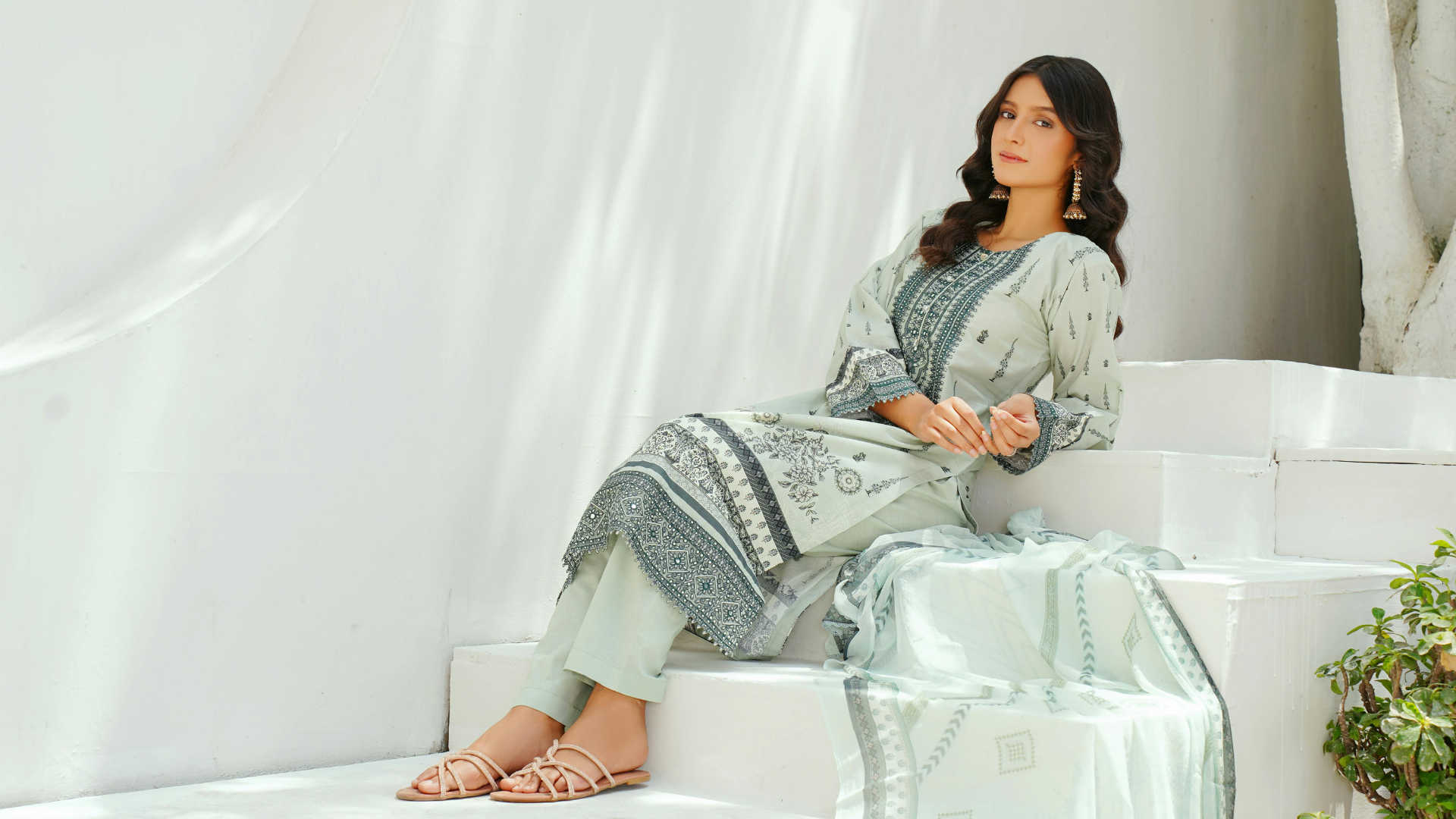
Planning outfits for the week can save time and reduce stress. Establishing a clear strategy for weekly outfit planning allows individuals to mix and match clothing items effectively, ensuring they are prepared for various occasions. This approach not only enhances personal style but also helps in making the most out of a wardrobe.
To begin, it is essential to assess the week’s schedule, taking note of important events, meetings, or outings. By understanding what activities are planned, individuals can choose clothing that is both appropriate and comfortable. This foresight minimizes the chances of last-minute outfit decisions that might lead to frustration.
Another key factor is creating a versatile wardrobe filled with essential pieces that can be easily combined. Prioritizing a capsule wardrobe featuring coordinated colors and styles simplifies the selection process and encourages creativity in outfit combinations. With a thoughtful approach, anyone can seamlessly plan their week’s outfits and feel confident in their choices.
Assessing Your Wardrobe
To effectively plan outfits for the week, a thorough assessment of one’s wardrobe is essential. This process involves taking a detailed inventory and identifying key pieces that form the foundation of a versatile wardrobe.
Conducting a Closet Inventory
Beginning with a closet inventory allows individuals to see what they truly own. She or he should take everything out, creating a clear space to evaluate each item. The process can include:
- Categorizing items: Group clothing by type—tops, bottoms, dresses, etc.
- Noting conditions: Identify items that are worn out, stained, or outdated.
- Creating a list: Document what is available, including any favorite pieces.
This inventory clarifies what is useful and what needs to be added or removed. It can also highlight duplicates or items that no longer fit personal style.
Identifying Wardrobe Essentials
After completing the inventory, the next step involves pinpointing wardrobe essentials. These are versatile pieces that can be mixed and matched easily. Key essentials include:
- Basic tops: A few neutral tees and blouses.
- Classic bottoms: Well-fitting jeans and tailored trousers.
- Outerwear: A reliable jacket or coat for varying weather.
By focusing on these essentials, the individual ensures that getting dressed becomes simpler and more efficient. This foundation makes it easier to build cohesive outfits and reflect current fashion trends.
Building a Weekly Outfit Plan
Creating a structured plan for outfits can simplify daily decisions, save time, and enhance personal style. The following strategies include various methods to generate outfit ideas, organize them into a stylebook, and effectively incorporate accessories.
Outfit Planning Strategies
To begin, identifying personal style is key. This can involve researching color schemes, patterns, and types of clothing that resonate. A helpful method is to select a few core pieces that can be mixed and matched throughout the week.
Consider creating a visual chart or spreadsheet. This allows for tracking which outfits have been worn and helps in avoiding repetitions. A practical strategy is to plan outfits for each day, considering any activities or events that may require specific attire. Setting aside time, perhaps on weekends, to determine outfit combinations can lead to a smoother week.
Creating a Stylebook
A stylebook serves as a curated collection of outfit ideas and inspirations. To create one, start by gathering images from magazines, social media, or personal photos of outfits that appeal. Organizing the stylebook is essential. Use categories such as casual, work, or formal wear. This facilitates quick access to inspiration based on the day’s needs.
Digital tools like Pinterest or simple Google Docs can house these visual references. Alternatively, a physical binder with printed images can work well. The stylebook becomes a personalized guide, showcasing versatile combinations based on available clothing.
Generating Outfit Ideas
Generating outfit ideas can be achieved through various means. One effective method is to engage in ‘outfit challenges’ where different styles are created using limited pieces over a set time.
Another approach is to utilize a ‘theme of the week.’ For instance, focusing on specific colors, styles, or occasions can spur creativity. Keeping a daily journal, noting how each outfit feels, can help refine preferences over time.
Additionally, leveraging social media platforms for daily inspiration is useful. Following style influencers or joining fashion-focused groups can lead to fresh ideas and trends that align with personal tastes.
Incorporating Accessories
Accessories can elevate any outfit, making it essential to plan their incorporation. Start by selecting key accessories that can complement multiple outfits, such as a statement necklace or a versatile bag. Consider a color palette for accessories to ensure cohesion with the wardrobe. Keeping a small selection of staple pieces allows for easy mixing and matching, while seasonal accessories can keep looks fresh.
Planning accessory combinations when developing outfits encourages creativity. For example, a simple dress can be transformed with various belts, scarves, or jewelry. This versatility allows for greater variation without needing a larger wardrobe.
Optimizing Your Styling Routine
To achieve a more efficient styling routine, individuals can strategically plan their outfits based on their weekly activities, keep a record of style preferences, and adjust for changing conditions like weather and social events. Each aspect plays a crucial role in enhancing daily outfit choices.
Scheduling Outfits Based on Activities
Creating a weekly schedule for outfits can streamline the dressing process. Start by identifying key activities for the week, such as work commitments, social events, or exercise routines.
Example:
| Day | Activity | Suggested Outfit |
| Monday | Office Meeting | Suit with a tailored shirt |
| Tuesday | Gym Session | Athletic wear |
| Wednesday | Casual Outing | Denim jeans with a t-shirt |
| Thursday | Dinner with Friends | Dress or smart-casual outfit |
| Friday | Flexible Work Day | Comfortable yet stylish attire |
By planning outfits aligned with daily activities, dressing becomes quicker and reflects the appropriate style for each situation.
Tracking Style Stats
Keeping track of style stats can help individuals understand their clothing preferences and usage patterns. This method involves noting which outfits are worn often, which pieces remain unused, and what styles resonate most.
Utilizing a simple spreadsheet or an app can facilitate this process. Key data points to track may include:
- Frequency of Wear: How often each item is worn.
- Occasions: Suitable occasions for specific outfits.
- Comfort Level: Rating comfort on a scale of 1-5.
This information can guide future outfit choices and assist in identifying gaps in the wardrobe.
Adapting Plans for Weather and Events
Weather variability can impact outfit choices significantly. Thus, it’s essential to check forecasts regularly and adapt plans accordingly.
For instance:
- If rain is expected, prioritize waterproof outerwear and shoes.
- On hot days, select lightweight fabrics and breathable clothing.
In addition, unexpected social events might arise. Having a few versatile outfits readily available for unplanned occasions can ensure stylish readiness. One handy strategy is to maintain a go-to ’emergency’ outfit that combines comfort and style, suitable for various settings. By being mindful of weather changes and spontaneous invitations, one can remain stylish and prepared throughout the week.


